
Alan Permane’s explanation makes a convincing case for continuity. Better opening laps, clearer feedback and growing confidence reveal why Lawson earned Racing Bulls’ backing.
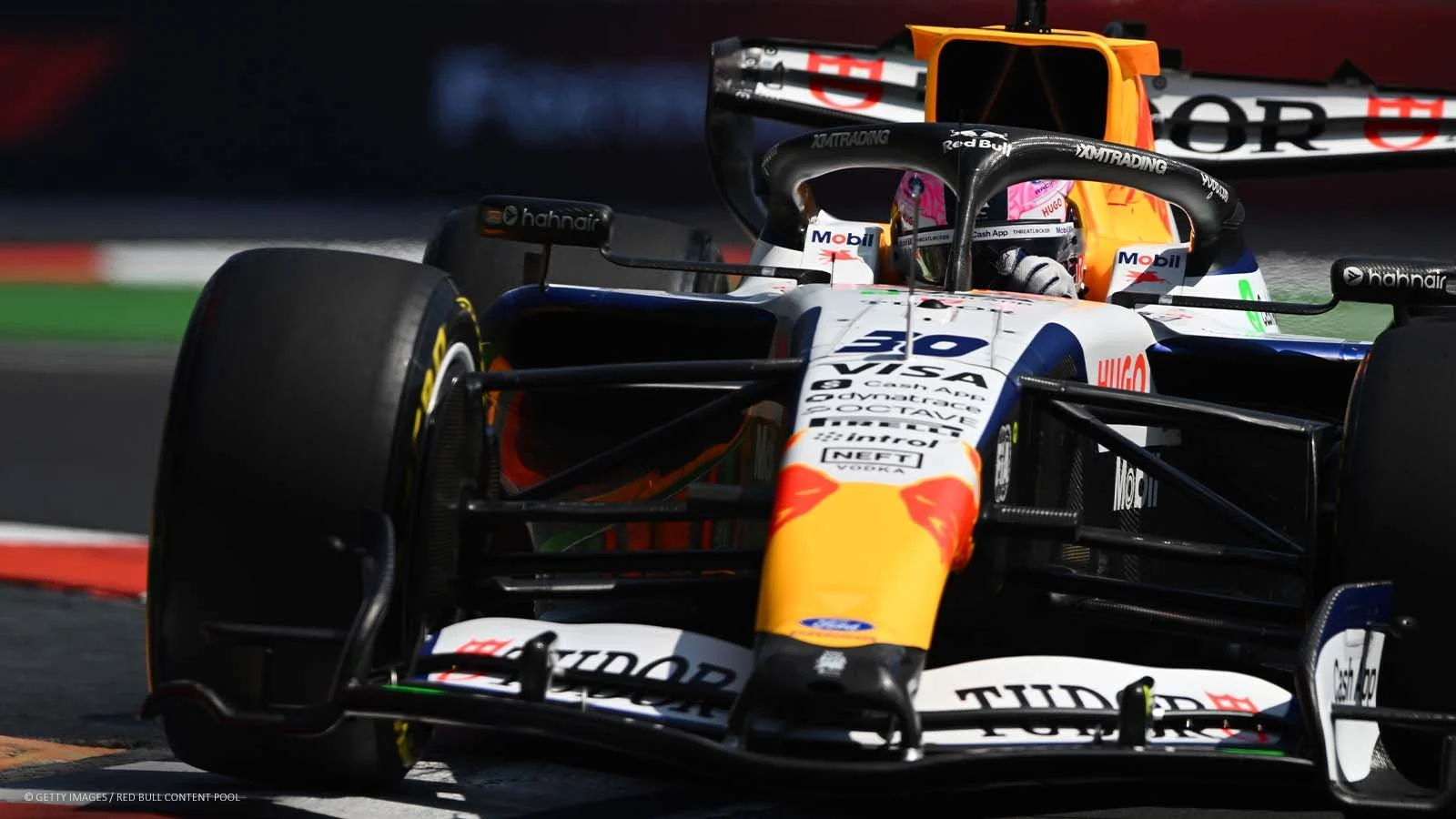
Alan Permane can point to specific changes in Liam Lawson’s driving. The opening laps are cleaner. The race pace is stronger. Outside the car, his feedback is clearer.
Those details are the most revealing part of the Racing Bulls boss’s latest interview with Autosport. We already know Lawson and Arvid Lindblad are staying for 2027. Permane explains the progress behind that decision.
Making the opening lap count
Permane singled out Lawson’s first-corner and first-lap racecraft, describing a driver who now rarely gets into trouble and often gains positions.
In the midfield, that combination matters. An early mistake can erase a strong qualifying performance, while a well-judged move can put a driver in position to control the race ahead of a close rival.
Permane also praised Lawson’s race pace. His assessment describes a driver becoming better at both creating opportunities and converting them into results.
Confidence built on results
The improvement extends beyond the cockpit. Permane described clearer technical feedback and confidence that builds with each strong weekend.
“He’s done this himself, but he’s also listened when I felt he needed to listen,” he told Autosport.
There is a useful distinction here. Confidence helps a driver commit to his decisions. Being receptive to criticism helps him recognize which decisions need to change.
Permane’s account suggests Lawson is finding that balance, trusting his own ability while working with the team and his engineers. For Racing Bulls, that is a stronger reason to keep investing than experience alone.
A reference for Lindblad
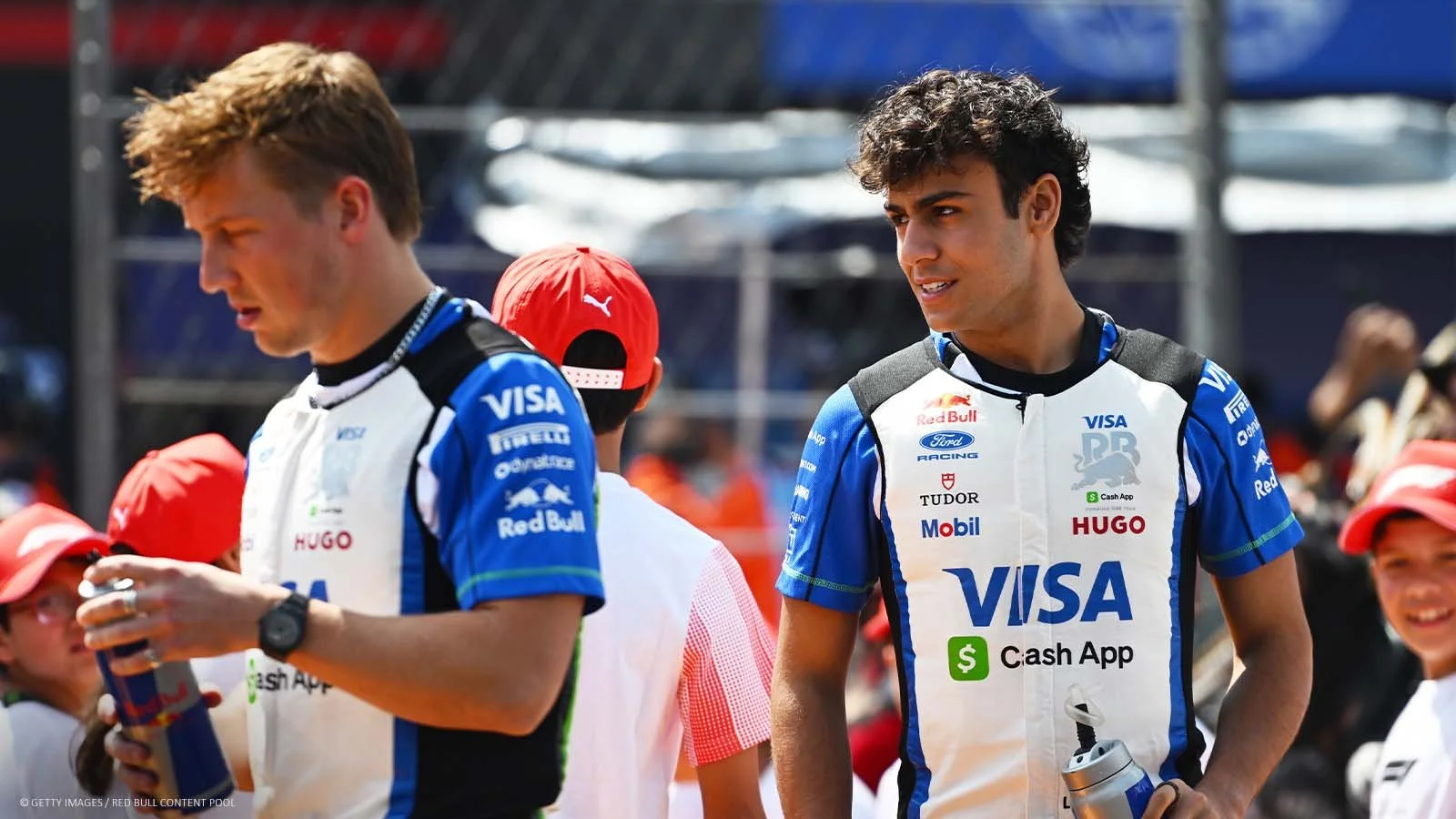
Permane explained that the team shares data between its cars, allowing Lindblad to study how Lawson extracts performance. Keeping Lawson also gives Racing Bulls an established reference against which to assess its younger driver’s progress.
That makes their partnership useful beyond the points each contributes. Lindblad can examine where his teammate is faster and how he approaches a race. The engineers can use those comparisons to identify where further improvement is possible.
The competition still works both ways. Lindblad has a standard to challenge, and Lawson must keep raising it.
Our view is that this is where retaining Lawson fits Racing Bulls’ development role. The team has a driver making measurable progress and a younger teammate who can benefit from racing alongside him.
Lawson earned another season by becoming more effective in the car and more useful outside it. Permane’s explanation gives that decision substance.
