
The Strip demands speed, but electrical power has to be rationed. Williams and McLaren explain the trade-off that could shape qualifying and overtaking in Las Vegas.
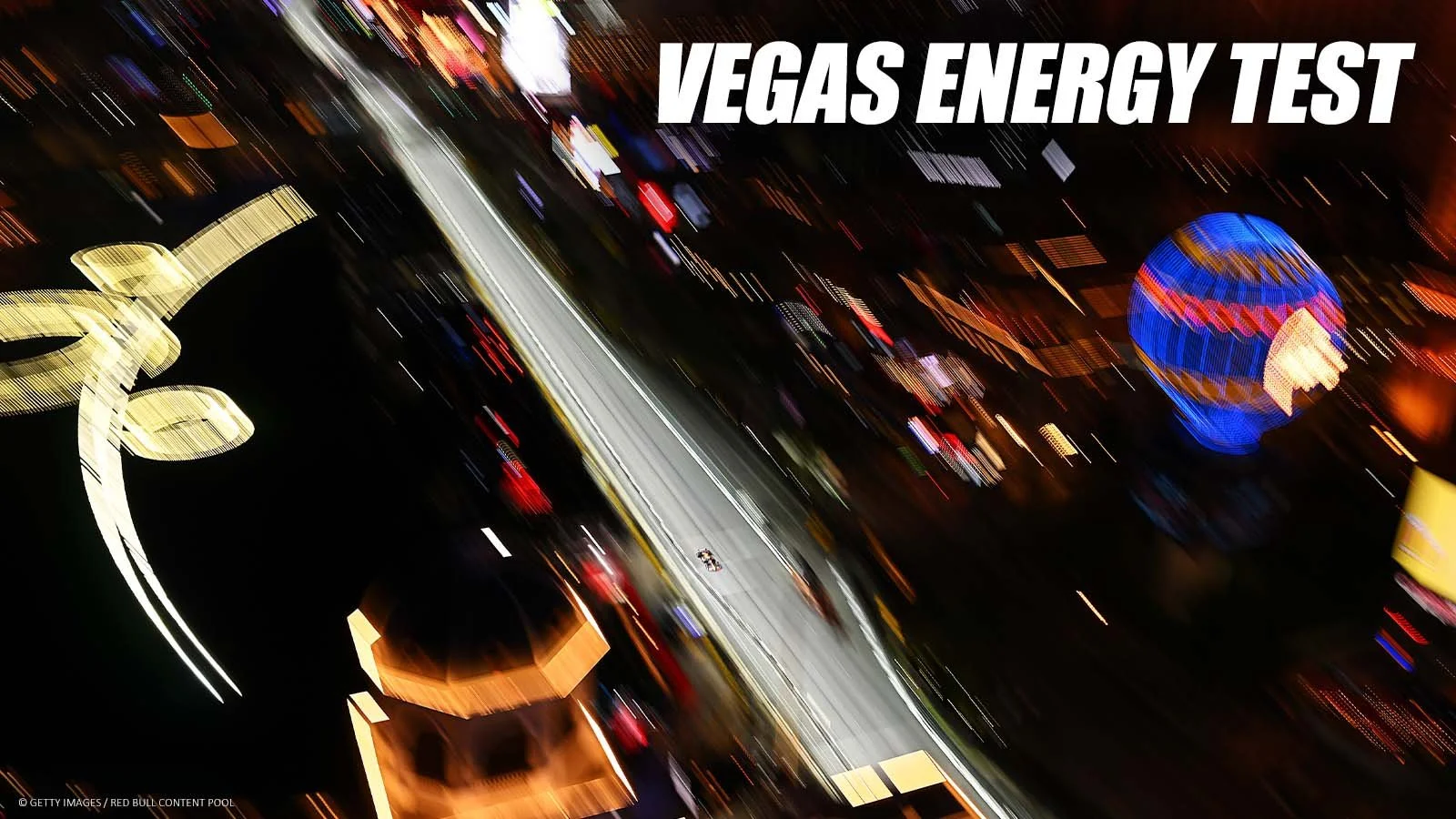
An overtake on the Las Vegas Strip could come with a cost: less electrical assistance for the next straight.
That is the challenge highlighted by Williams and McLaren ahead of this weekend’s race. Vegas gives drivers long stretches at full throttle, but teams must decide where their available electrical energy will deliver the biggest return.
Williams chief trackside engineer Paul Williams identifies the run toward Turn 14 as the most energy-sensitive part of the lap. He says the team cannot deploy the full available energy window along that section in either qualifying or race conditions. Its simulations will help determine how to distribute that energy between the straights.
The choices begin before the cars even reach the Strip. Williams says the short run from the start line to Turn 1 could mean using little or no electrical assistance there during qualifying, saving it for more valuable sections.
An overtake has to be worth the energy
McLaren’s preview highlights the temptation to spend battery energy chasing a pass across Vegas’s three flat-out sections.
The potential consequence is straightforward: a driver who uses more electrical assistance to attack may have less available for the next part of the lap. Completing the move and keeping the position could become two different challenges.
That gives fans another detail to follow. Watch how a car’s closing speed changes along the straight, and whether a driver who has just overtaken can defend when the next opportunity arrives.
Practice will show how each team handles the balance. Williams has described its own limitation; the size of the challenge will depend on each car’s efficiency, setup and deployment strategy.
On the Strip, the timing of the boost could matter as much as the initial burst of speed.
