
Alonso’s Austin Frustration Has a Five-Point Reason. Why Did It Give Him Hope?
Fernando Alonso saw points potential in Aston Martin’s Austin pace. Contact with Alex Albon helped unravel that opportunity, with Williams just five points ahead in the constructors’ standings.
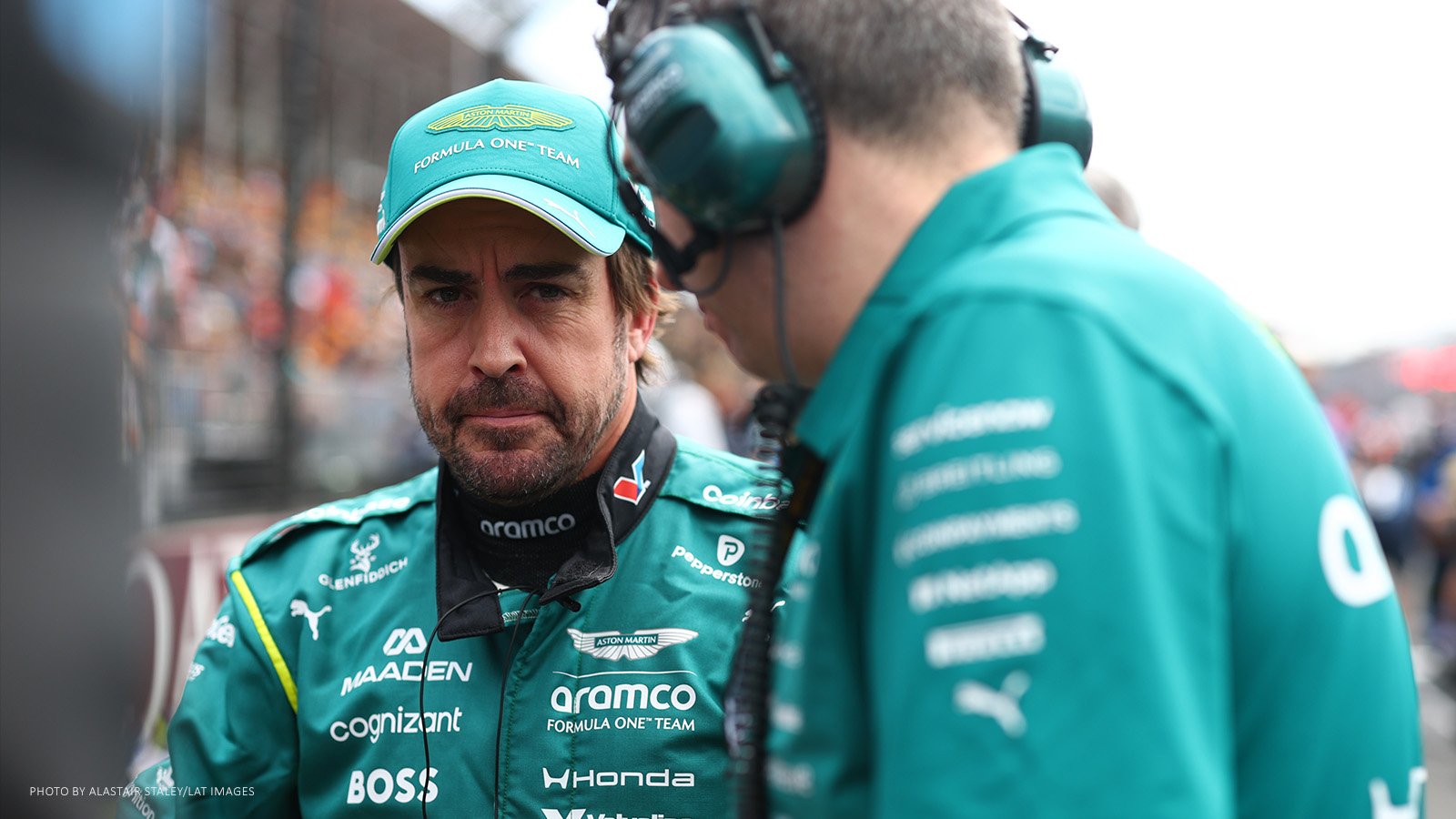
Fernando Alonso left Austin with no points and a reason to believe Aston Martin could have scored them. The driver involved in his first-lap collision made that frustration particularly relevant: Alex Albon races for Williams, the team Aston Martin is chasing.
Williams holds ninth in the constructors’ standings with 12 points. Aston Martin has seven. With five Grands Prix remaining, even a finish near the bottom of the top 10 could matter.
Alonso finished 16th. His assessment of the car suggested a different afternoon had been possible.
“It was the best race by far of the year for us in terms of competitiveness,” he said.
A chance damaged at Turn 11
Contact with Albon on the opening lap damaged Alonso’s car and immediately complicated his race.
“Albon forgot Turn 11 was there and he had to turn left,” Alonso said afterward.
Albon offered a different perspective, describing another car alongside Alonso on the outside. The stewards did not investigate the contact.
Alonso estimated that the damage cost him at least half a second per lap. Despite that, he ran 12th and believed ninth or 10th could have been achievable with an intact car.
Those points were never guaranteed. But his assessment explains why finishing 16th felt like a missed opportunity rather than simply another difficult Sunday.
Pace without a way past
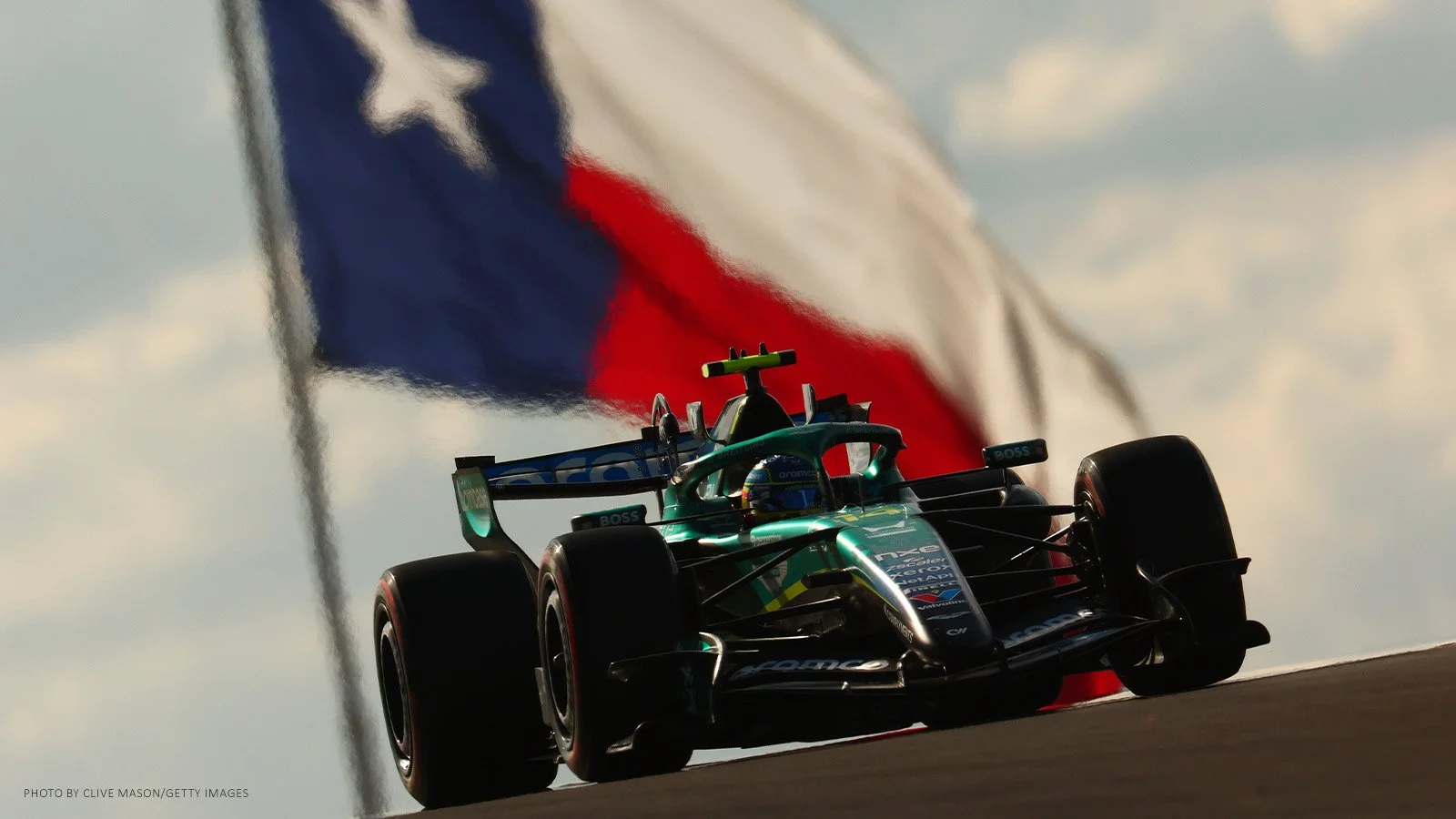
Adrian Newey identified both the encouragement and the limitation. Before Alonso’s additional stop, the Aston Martin could match the pace of the cars ahead. Its straight-line speed, however, made overtaking difficult.
A front-wing replacement on lap 42 then ended the team’s attempt to complete the race with one stop and dropped Alonso down the order. Newey believed the problem was a consequence of the earlier contact.
Aston Martin had shown enough pace to keep Alonso interested. It couldn’t turn that pace into a result.
Five points worth chasing
The Williams gap gives the remaining races a clear purpose.
Had Alonso finished ninth, Aston Martin would have left Austin three points behind Williams. Tenth would have reduced the deficit to four. Neither would have changed their championship positions, but both would have made the next opportunity more valuable.
Five points is a small margin. For teams that have collected only 12 and seven across the season, it is also a meaningful one.
Mexico now offers a test of Alonso’s optimism. Aston Martin needs to reproduce the pace, find a way to race the cars around it and avoid another afternoon compromised by damage.
Alonso’s frustration came from believing there was more available. Catching Williams will depend on turning that belief into finishes.
