
Red Bull’s Austin Warning: Pace Is Only Half the Job
Second and third on the grid became third and sixth at the finish. Behind those results, Verstappen and Hadjar described cars they couldn’t consistently rely on.
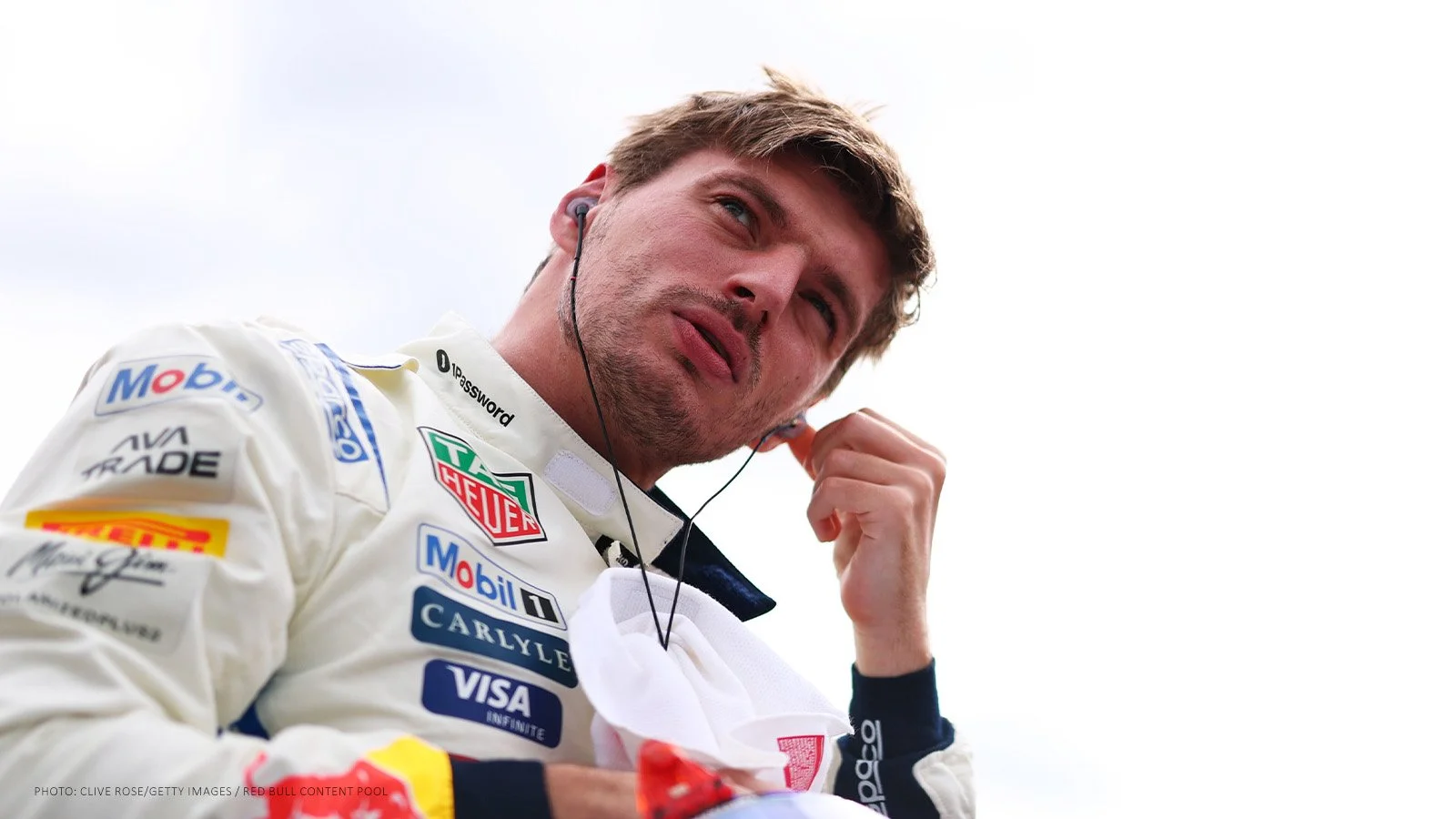
Red Bull left Austin with a podium and third place in the constructors’ championship. It also left with two drivers explaining why a promising weekend had become so difficult.
The problem wasn’t simply that Kimi Antonelli was faster. It was that neither Red Bull driver could consistently extract what his own car had to offer.
Verstappen was fighting more than the opposition
After victories in Malaysia and Singapore, Max Verstappen qualified second in Austin. But power-unit inconsistencies made the car’s behavior difficult to predict through corners.
That matters beyond straight-line speed. If the car responds differently from one corner to the next, the driver has less confidence in how hard he can push it.
Verstappen also questioned Red Bull’s tire choices and the order in which it used the compounds. A slow pit stop added another loss to an already compromised afternoon.
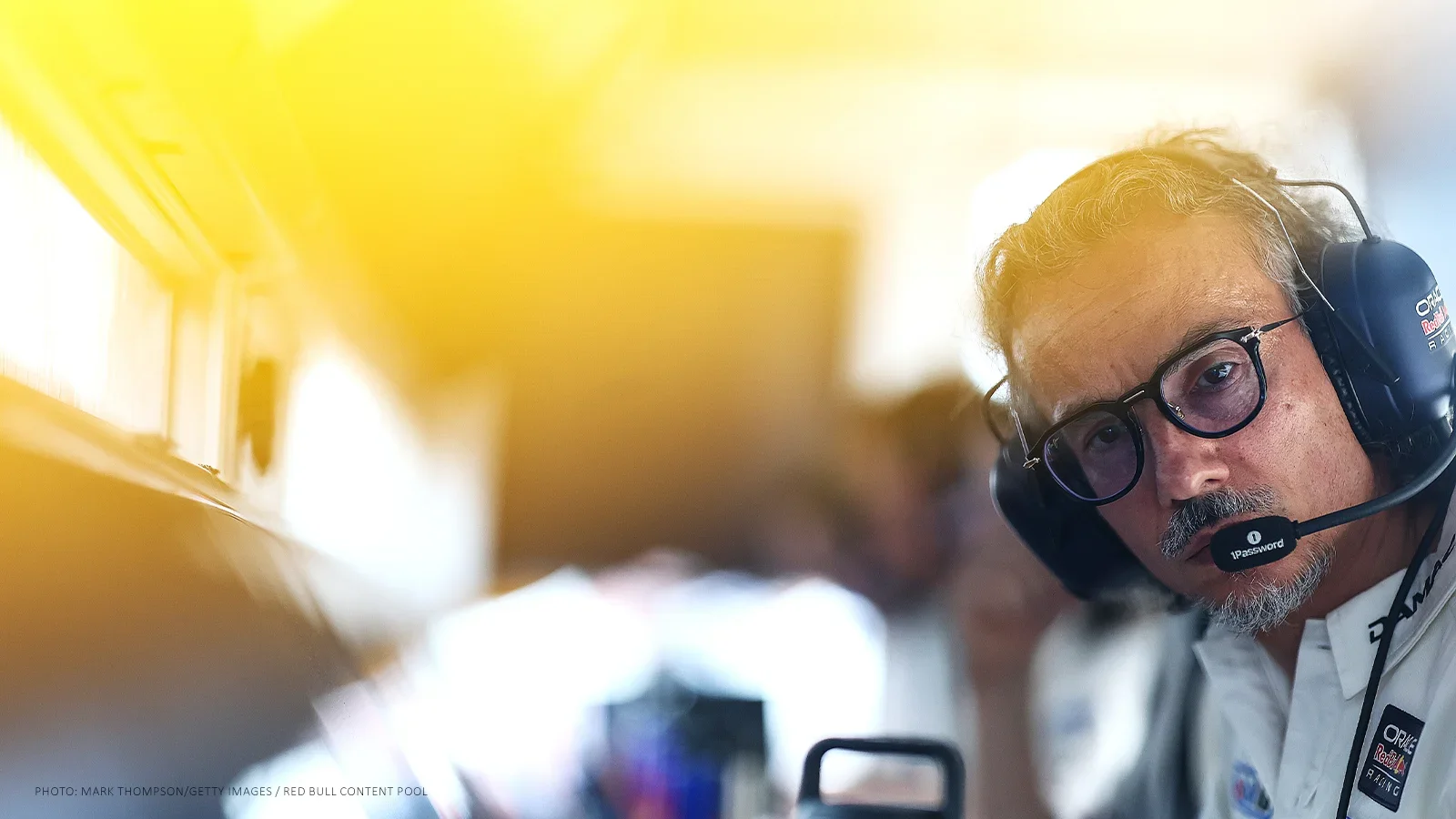
Team principal Laurent Mekies identified further trouble: Verstappen hit debris around lap eight, picking up damage. Additional balance problems increased tire degradation, and Charles Leclerc ultimately took second place from him.
Hadjar’s frustration started before the first corner
Isack Hadjar qualified third, but another poor launch immediately put him on the back foot. He attributed it to the clutch delivering more than expected, rather than an error in his own procedure.
His opening stint offered encouragement. Hadjar felt comfortable extending the life of his soft tires and believed his race pace reflected the work he had put in.
Then a problem after his pit stop left the car stuck in a throttle setting intended for pit stops. The performance he had been encouraged by became difficult to access.
Sixth place brought points. It didn’t reflect the race he thought the car could deliver.
Mexico needs a cleaner Red Bull
There is an important limit to the missed-opportunity argument. Both Verstappen and Mekies acknowledged that Red Bull lacked Antonelli’s pace. Austin wasn’t a certain victory taken away by technical problems.
But it was a weekend in which several weaknesses compounded each other: starts, power delivery, damage, tire behavior and pit-stop execution.
Moving ahead of McLaren in the constructors’ standings was progress. Leaving performance unused was the warning.
For Mexico, Red Bull needs more than another strong qualifying session. Its drivers need a car that behaves as expected when they release the clutch, turn into a corner and leave the pits.
