
Audi’s Upgrade Worked. Singapore Could Expose What It Didn’t Fix.
Gabriel Bortoleto feels the improvement through the corners. Singapore puts another part of Audi’s progress under scrutiny.
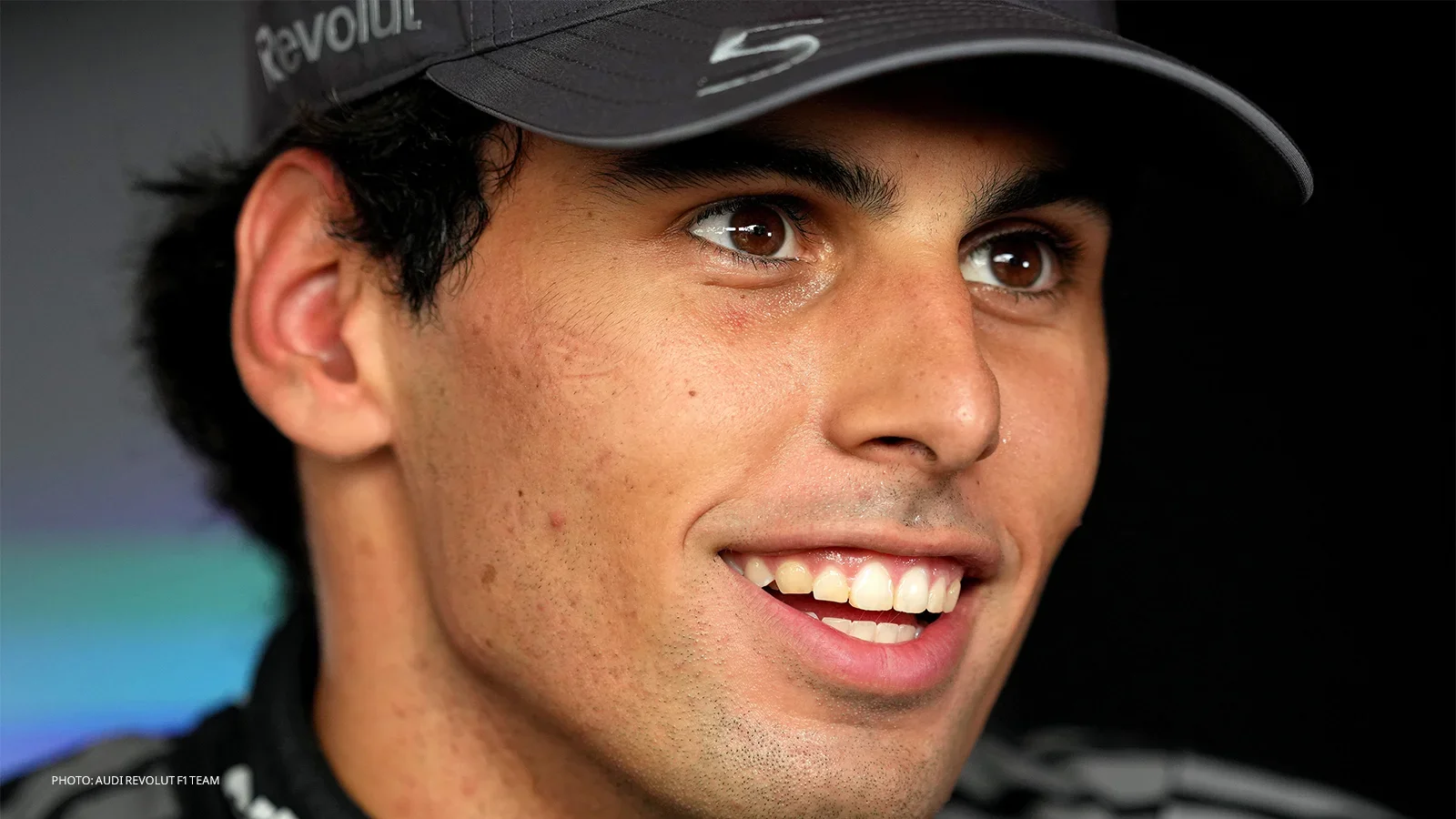
Gabriel Bortoleto says Audi’s latest upgrade delivered its expected gains. But his assessment ahead of the Singapore Grand Prix also identified a substantial challenge: power-unit performance in hot, humid conditions.
Those two conclusions can coexist. Improving how a car handles corners does not automatically remove every limitation affecting its lap time.
Progress the driver can feel
Speaking in Thursday’s FIA press conference, Bortoleto reported improvements at corner entry, through the middle of the turn and on exit. In plain terms, he feels the benefit throughout the corner, rather than at just one stage.
Sepang had already offered encouraging evidence. Bortoleto qualified tenth, reaching the final qualifying session, Q3. Audi racing director Allan McNish said the new package had worked well, while Bortoleto credited the team with giving him a car he felt comfortable pushing.
That response helped settle doubts following Azerbaijan. Bortoleto treated Baku’s difficult weekend as an exception and said he expected Singapore to suit the car better.
He also acknowledged that rivals have improved. An upgrade can deliver its intended benefit without producing an equally obvious jump in the competitive order.
A separate limitation remains
Asked about Audi’s power unit in hot, humid conditions, Bortoleto identified it as one of the team’s biggest current limitations, particularly in recent races.
The power unit includes the combustion engine and its electrical systems. His answer did not establish a specific overheating fault, a reliability diagnosis or a measured horsepower deficit.
He expressed confidence in the engineers at Neuburg, Audi’s power-unit base, while emphasizing that development needs time.
“We just need to give them time,” he said.
Why Singapore matters
Audi’s own preview highlights Marina Bay’s heat, humidity and demanding street layout. It also points to an unusual split: practice and the Sprint take place before sunset, while both qualifying sessions and the Grand Prix run at night.
With only one practice session, the team has limited running before competitive sessions begin. That makes preparation especially important when conditions change across the weekend.
Singapore therefore offers a relevant test of how Audi’s cornering gains hold up alongside its remaining limitations. It does not guarantee a difficult result, and Bortoleto’s expectations are more positive than that.
The question is how much of the improved car Audi can turn into competitive performance across the whole weekend.
