
Why F1 Cars Lost Power at Sepang—and What Changes Next
The FIA has explained the failure that disrupted Sepang’s start. Singapore gets a conditional fix, while another software update is planned for Austin.
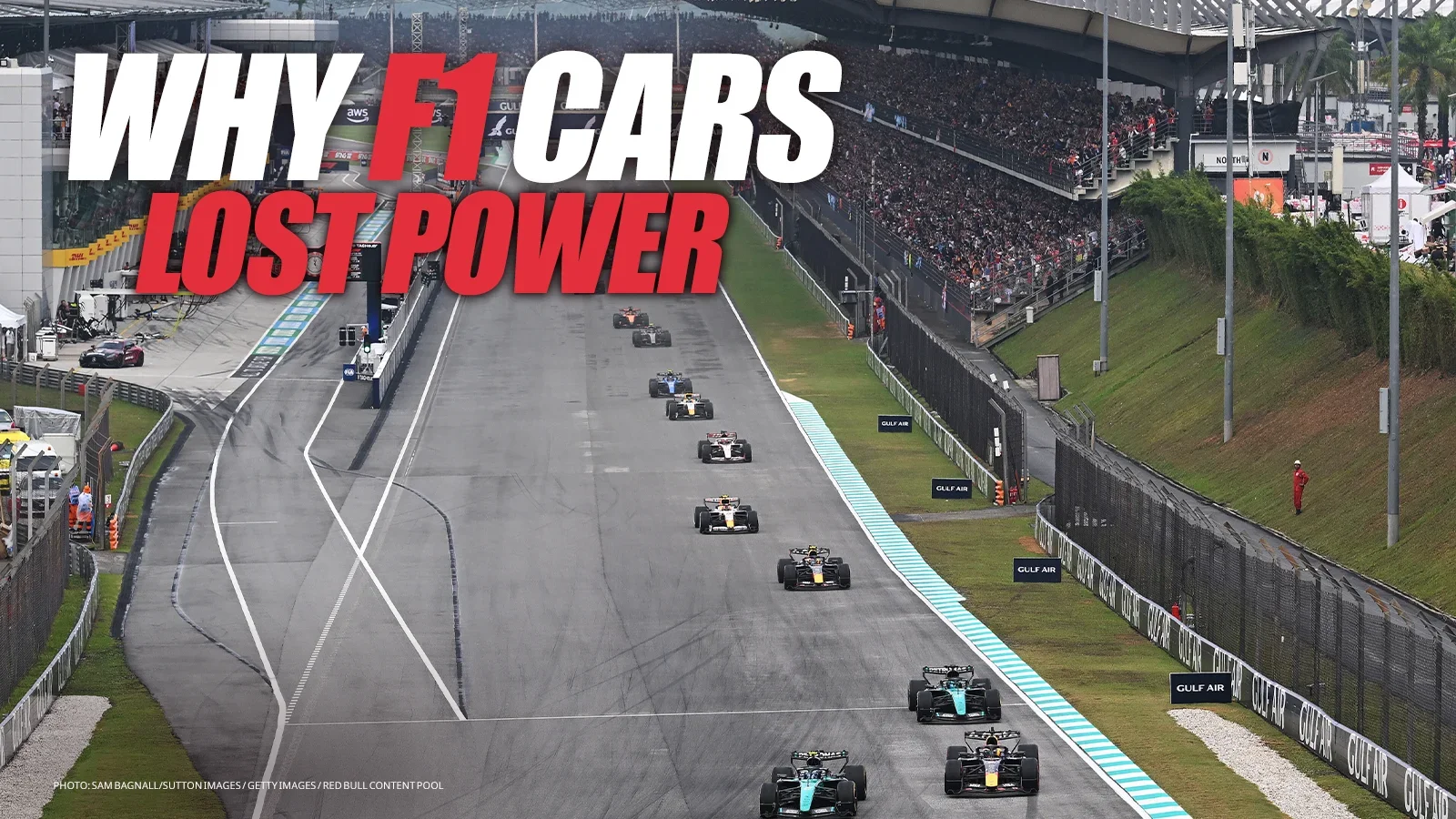
The FIA’s investigation into the Bahrain Grand Prix in Malaysia has identified why some cars unexpectedly lost power before the race: low engine speeds interacted with wet-weather restrictions in ways the software was not intended to allow.
Its October 8 findings establish the response for the next two events, while also addressing questions about how the problem escaped testing.
When reduced power became too little power
Engine speed means how quickly the engine is turning, measured in revolutions per minute, or RPM. It is different from the car’s road speed.
At Sepang, some cars reached low engine revs in sections where wet-weather settings restricted power. The resulting reduction went beyond what was intended, and the affected cars could not recover that power within those sections.
FIA single-seater director Nikolas Tombazis had explained after the race that the field bunched up during the formation lap, with some cars nearly stopping. The bug then prevented them from accelerating again.
He also explained why the experience varied across the field: cars did not all reach the same low speeds in the same places. The circumstances that triggered the fault were therefore not identical for every driver.
Singapore first, Austin next
The revised configuration introduced at Sepang will be reinstated for Singapore if similar weather is expected. A further wet-weather software update is planned for the United States Grand Prix on October 25.
A configuration is a set of operating settings used by the software. Changing those settings can alter how the system behaves without replacing engine components.
At Sepang, Tombazis said the emergency response overrode power restrictions in certain sections. Teams then had to install the changes before racing could resume. Releasing a fix and having the entire field ready to use it were separate steps.
Tested, but missing a critical situation
The FIA says simulations and FP1 running in Belgium and the Netherlands preceded deployment.
Tombazis had acknowledged that limited wet running left testing short of what the FIA wanted. His explanation was that the exceptionally slow formation-lap conditions had not been covered adequately.
Those accounts distinguish having tested software from having tested every relevant situation.
The FIA now plans stronger verification involving teams, engine manufacturers and the standard electronics supplier. The task is to catch more of those combinations before cars encounter them on track.
