
Tsolov’s first F1 practice session puts him in the spotlight in Mexico. His lap time will attract attention, but the work behind it could leave the stronger impression.

Nikola Tsolov will get one hour in Mexico to make his first impression on a Formula 1 race weekend. The timing screen will show how fast he goes. It won’t show everything he contributes.
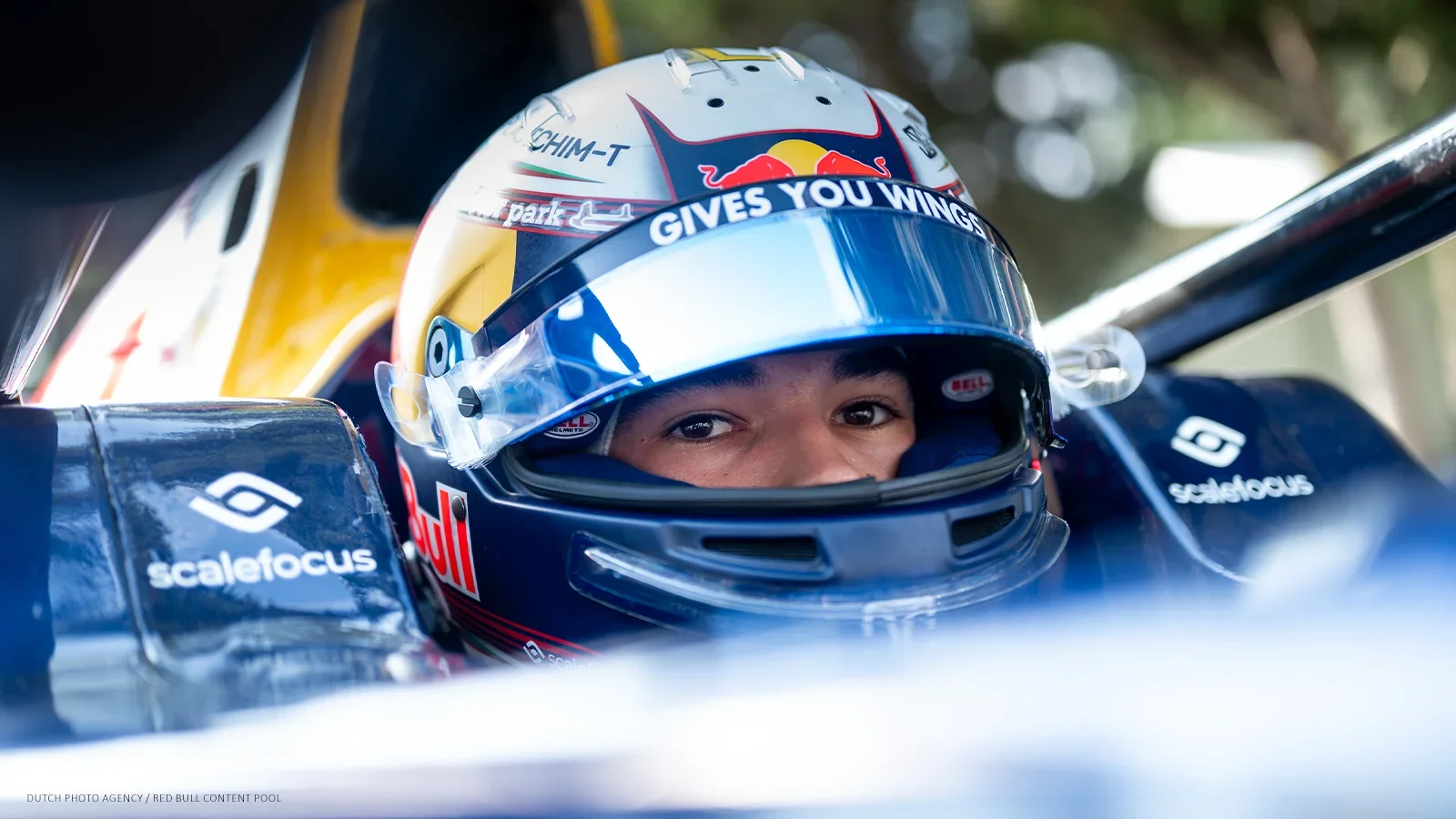
The Bulgarian will drive for Racing Bulls in Friday’s opening practice session, taking over Liam Lawson’s car. He arrives with six victories and nine podiums in this year’s Formula 2 championship, where he sits second with two rounds remaining.
Those results have already demonstrated his speed. Mexico presents a different challenge: adapting to an F1 team’s working session while helping it prepare for the weekend ahead.
An opportunity inside someone else’s race weekend
For a young driver, a first practice appearance is a major personal milestone. For the engineers, it is also an hour of preparation that needs to produce useful information.
That creates a balance. There is an opportunity to impress, but the session has a purpose beyond the driver’s fastest lap.
Practice programs can involve setup comparisons, tire evaluation and longer runs with more fuel. Different assignments can produce very different lap times, even between drivers in the same team.
Racing Bulls’ exact plan for Tsolov will determine what he can show. A position near the bottom of the screen wouldn’t automatically mean a poor session, just as an eye-catching lap wouldn’t tell the whole story.
The work behind the lap time
A useful way to assess his debut is to look at three things: how much running he completes, how he builds his pace and what the team says afterward.
Clean laps give engineers data to compare. They also give the driver time to recognize what the car is doing and adjust.
Feedback matters here. Explaining where the car loses grip, how its balance changes through a corner or what happens as the tires wear gives engineers something specific to investigate.
We won’t hear the full debrief from outside the garage. That makes the team’s assessment important, particularly when interpreting a result without knowing the fuel load or run plan.
The broader test is whether Tsolov can turn his time behind the wheel into something useful for both himself and Racing Bulls.
Mexico adds another challenge
This is an unusual circuit for a first official session.
At roughly 2,200 meters above sea level, Mexico City’s thin air reduces the downforce a car generates and makes cooling more difficult. The driver has to find confidence in those conditions while learning the car.
There is another variable this year. Williams’ technical preview identifies newly resurfaced sections as a source of uncertainty over grip.
That makes early running valuable to the regular drivers and engineers, too. Tsolov will be learning alongside a team that is still establishing how the circuit behaves.
What a good hour could look like
An FP1 appearance is an opportunity, not confirmation of a future race seat. One session also cannot provide a complete verdict on a young driver.
But it can offer evidence of how he approaches the job: learning quickly, responding to instructions and building speed without losing sight of the team’s work.
Tsolov has already shown he can win in Formula 2. On Friday, the next impression will come from how he works in Formula 1.
When the hour ends, his best lap will be easy to find. The more revealing assessment may come from the people who worked with him.
