
TWO RACES. ONE OLD PROBLEM: WHY F1 DRIVERS DOUBT MONACO’S SPRINT
Hamilton and Verstappen doubt another race can cure Monaco’s passing problem, while Norris sees a different source of excitement: less practice and greater risk.
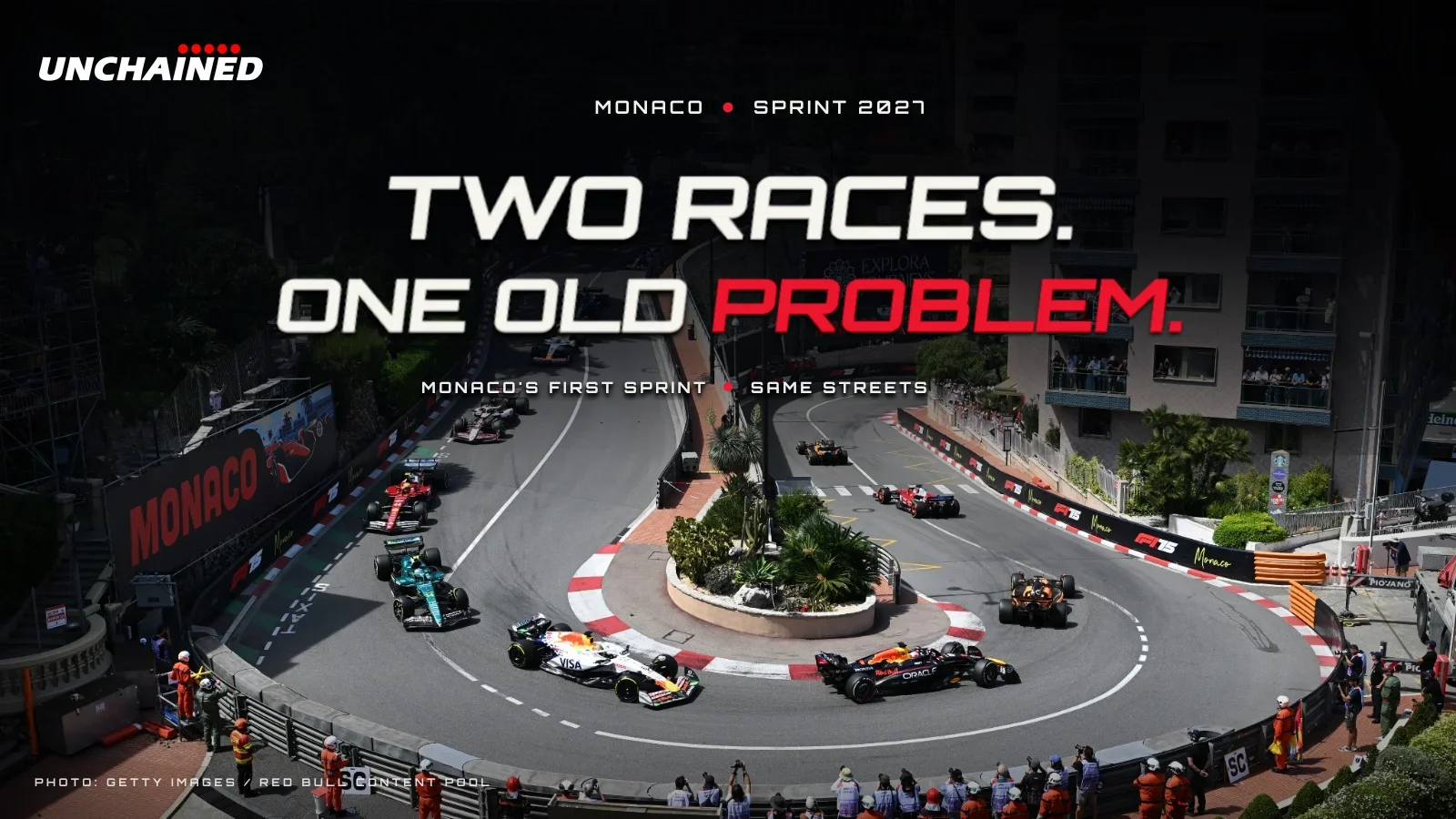
Monaco will host its first F1 Sprint in 2027, adding a second race start and another qualifying session to the one of the calendar’s most famous weekends. The schedule will be busier and every session will carry more weight—but Lewis Hamilton, Max Verstappen and Lando Norris have all questioned whether more competitive laps can fix Monaco’s oldest problem.
Different drivers, one unavoidable limitation
Hamilton delivered the bluntest verdict: “It makes no sense to me.” His criticism was specific to Monaco rather than the Sprint format as a whole. He believes the circuit needs a different solution because adding another race does nothing to create more room for overtaking.
Verstappen reached a similar conclusion from the driver’s seat. The start may produce a brief burst of action, but once the field settles, the narrow circuit and the size of modern F1 cars make passing extraordinarily difficult. A Saturday Sprint risks recreating the same pattern as Sunday’s GP—only over a shorter distance.
Norris’s position is more nuanced. He has said other circuits may be better suited to a Sprint, but he also sees value in the compressed schedule. Drivers will have only one practice session before Sprint Qualifying, giving them less time to perfect the car and forcing them to commit earlier. At Monaco, where confidence and precision matter more than almost anywhere else, that reduced preparation could create genuine tension.
What the Sprint changes—and what it cannot
The strongest argument for Monaco’s Sprint may not be the race itself. Qualifying is frequently the weekend’s highlight because track position is so valuable, and the 2027 format will provide two qualifying sessions instead of one. That means two high-pressure battles against the clock, with less practice separating the drivers from the barriers.
What it cannot do is alter the circuit’s physical limitations. The Sprint will not widen the streets, shrink the cars or make following through Monaco’s corners easier. Unless strategy, weather, incidents or a large performance difference disrupt the order, overtaking will remain difficult.
That distinction matters. The format could make the overall weekend more compelling without making the Saturday race dramatically better.
Why F1 still sees an opportunity
F1 has not publicly said Monaco was selected because of a specific financial motive. Its stated case for expanding the Sprint calendar is based on engagement: more competitive sessions, fewer practice-only hours and stronger audiences across the weekend.
According to F1’s own figures, total viewership on Sprint weekends has been 12% higher than on non-Sprint weekends since the format was introduced in 2021. That does not prove Sprints alone created the increase, nor does it guarantee Monaco will produce better racing. It does explain the appeal of replacing practice with sessions that immediately affect points or starting positions.
Monaco’s 2027 Sprint therefore does not need to solve overtaking to add something to the weekend. Its best chance of succeeding lies in limited preparation, two qualifying sessions and the pressure of attacking an unforgiving circuit earlier than usual. The extra race remains the biggest question—not necessarily the main attraction.
